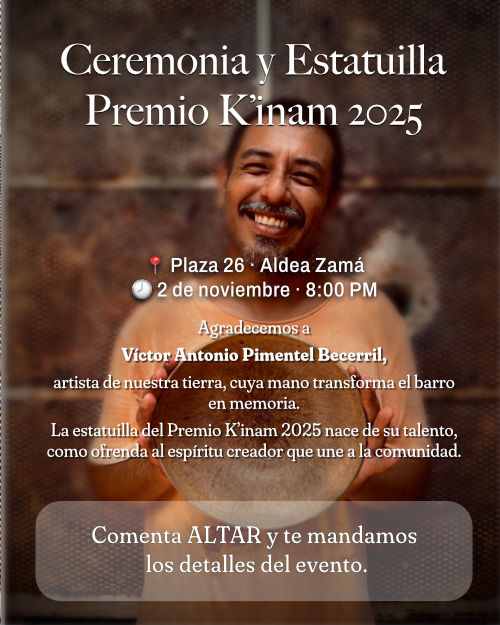
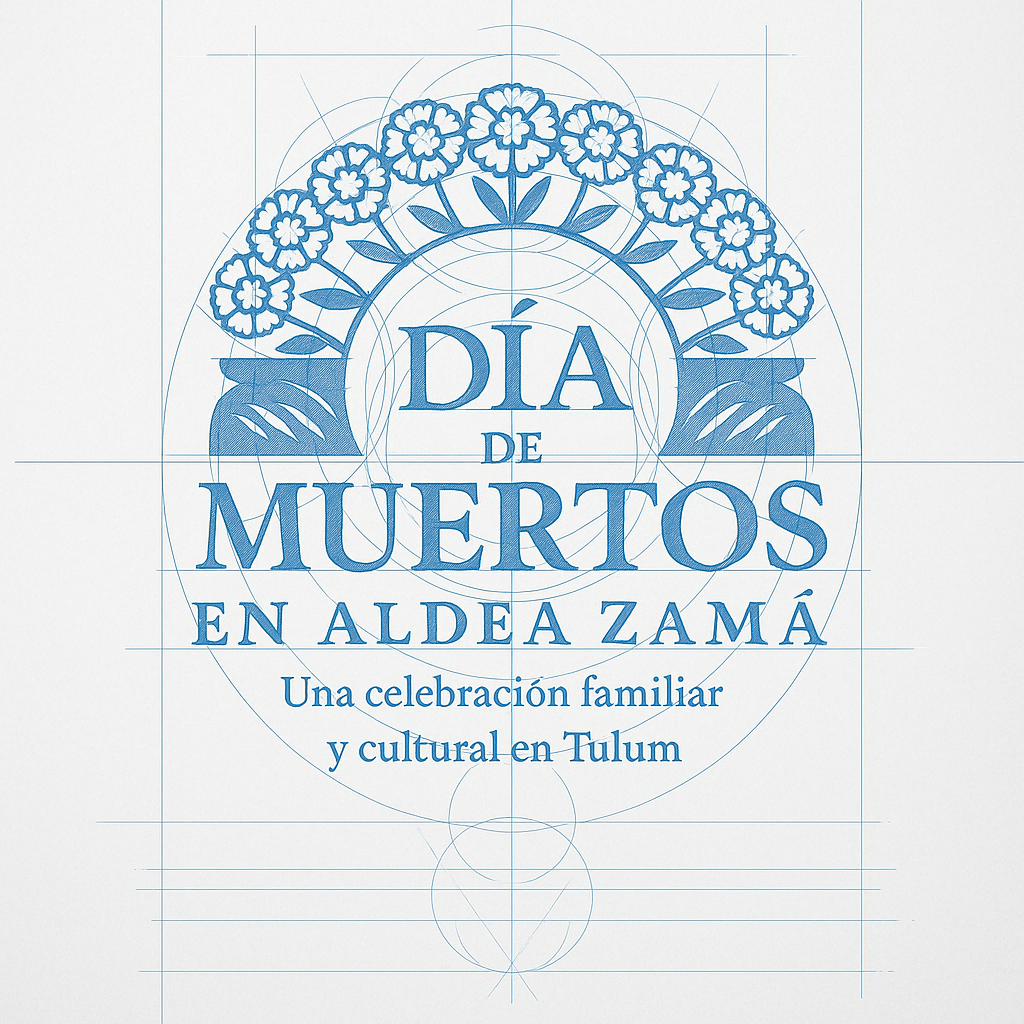
Camino de Luz was a Día de Muertos community event created in Aldea Zamá as a deliberate strategic choice rather than a promotional spectacle. Competing with well-funded tourist developments and hotel chains was not realistic, so the focus shifted toward tradition, family participation, and simplicity instead of scale or production, using what was available to create something meaningful. The event leaned on shared cultural references to bring people together naturally, activate the local market, and support nearby businesses through presence rather than advertising. On a personal level, the experience was deeply enriching: seeing how indigenous, Mayan, Spanish, spiritual, commercial, and touristic layers coexist in the same celebration made the complexity of the tradition visible and understandable at once. That mix, lived from inside the event rather than explained, is part of why I write about these experiences in RAMH.ARTS.